
Explain the role of attention, empathy, perspective and communication cues in professional interaction.
Registration: Open registration — Review the programme details and enrolment path; admissions will contact you when you register your interest.
★ CPQ Professional Programme
Emotional Intelligence Coaching EIC™
Emotional Intelligence Coaching
Emotional-intelligence skills for professional communication, listening, empathy and workplace-performance conversations within clear coaching boundaries.
Structured professional contentPractical applicationAdmissions support
ABOUT THE PROGRAMME
About the Programme
Emotional-intelligence skills for professional communication, listening, empathy and workplace-performance conversations within clear coaching boundaries.
Emotional Intelligence Coaching focuses on emotional-intelligence concepts as professional communication and workplace-performance skills: noticing interaction cues, listening, professional empathy, perspective-taking and choosing an appropriate response while maintaining coaching boundaries.
LEARNING OUTCOMES
What Will You Learn?
Practical knowledge and skills directly connected with the programme subject and its applications.
Listen for meaning and context and test assumptions before responding.
Use clearer professional language in coaching and workplace conversations.
Maintain client autonomy, ethical boundaries and non-clinical scope.
Apply emotional-intelligence concepts to communication and performance conversations.
Document completion subject to the programme’s published assessment requirements.
CURRICULUM
Programme Content
The existing programme content is organised into clear learning areas; open any card to review the details.
View Full Programme Content
ABOUT THE PROGRAM
Emotional Intelligence for Professional Coaching Communication
Emotional Intelligence Coaching focuses on emotional-intelligence concepts as professional communication and workplace-performance skills: noticing interaction cues, listening, professional empathy, perspective-taking and choosing an appropriate response while maintaining coaching boundaries.
WHO IT'S FOR
Who Is This Programme For?
Designed for coaches, leaders and practitioners who want a structured approach to listening, empathy and professional dialogue.
Professional coaches
Strengthen listening, empathy and communication in coaching conversations.
Leaders and people managers
Use clearer coaching conversations in workplace-performance contexts.
Trainers and facilitators
Improve interaction awareness and professional dialogue.
Practitioners developing communication
Build a more structured approach to observation, perspective and response.
PROGRAMME ADVANTAGES
What Makes This Programme Different?
Professional communication focus
Uses emotional-intelligence concepts in workplace and coaching communication.
Observation before interpretation
Distinguish what is observed from assumptions about another person.
Professional empathy
Understand perspective without taking ownership of the client’s decision.
Active listening
Listen for meaning, context and communication cues.
Response choice
Select clearer, more respectful and productive communication responses.
Clear scope
No diagnosis, psychotherapy or treatment of emotional conditions.
WHAT YOU WILL GAIN
What Will You Achieve by the End?
Professional Outcome 1
Explain the role of attention, empathy, perspective and communication cues in professional interaction.
Professional Outcome 2
Listen for meaning and context and test assumptions before responding.
Professional Outcome 3
Use clearer professional language in coaching and workplace conversations.
Professional Outcome 4
Maintain client autonomy, ethical boundaries and non-clinical scope.
Professional Outcome 5
Apply emotional-intelligence concepts to communication and performance conversations.
Professional Outcome 6
Document completion subject to the programme’s published assessment requirements.
THE CORE MODULES
Core Training Modules
Structured learning areas that move from understanding to practical professional application.
Emotional Intelligence Foundations
Core concepts applied to professional communication.
Interaction Cues
Notice verbal and non-verbal cues without diagnosing the other person.
Active Listening
Listen for meaning, context and what requires clarification.
Professional Empathy
Understand another perspective while maintaining boundaries.
Observation vs Interpretation
Test assumptions before responding.
Communication Response
Choose language that supports clarity, respect and productive collaboration.
Workplace Conversations
Apply the framework to professional and performance discussions.
Coaching Practice
Use the approach while preserving client autonomy and CPQ ethical boundaries.
PROGRAMME OBJECTIVES
Programme Objectives
- Explain the role of attention, empathy, perspective and communication cues in professional interaction.
- Listen for meaning and context and test assumptions before responding.
- Use clearer professional language in coaching and workplace conversations.
- Maintain client autonomy, ethical boundaries and non-clinical scope.
- Apply emotional-intelligence concepts to communication and performance conversations.
- Document completion subject to the programme’s published assessment requirements.
THE TRAINING JOURNEY
Training Journey
Registration & Approval
Submit your details and complete the programme enrolment and acceptance requirements.
Learning Platform
Study through the CPQ online learning environment and the delivery format published for the programme.
Guided Follow-up
Receive follow-up from the programme supervisor and training coordinator where included in the programme configuration.
Assessment
Complete the practical applications and assessment requirements published for the programme.
Documented Completion
Receive the applicable programme certificate after meeting the published completion and issue requirements.
Is this programme right for your current goal?
Speak with admissions to review your current experience and professional goal before deciding to enrol.
VIDEO
Programme Introduction Video
Introduction video coming soonAdd the video URL from the Introduction Video section in the programme editor.
PROFESSIONAL OUTCOMES
Professional Outcomes After Completion
A clearer professional understanding of the programme subject and how to apply it.
A practical toolkit that supports more structured professional practice.
Documented completion subject to the programme assessment requirements.
WHO IS IT FOR?
Who Is This Programme For?
Coaches and practitioners who want to strengthen their professional toolkit.
Learners building a structured pathway into coaching and professional development.
Professionals who want practical methods they can use with people and teams.
Previous CPQ learners who want to deepen a specific area of practice.
PRACTICE & ASSESSMENT
Practical Application & Assessment
✓Structured learning activities linked directly to the programme subject.
✓Practical exercises designed to move from understanding to application.
✓Assessment requirements are explained according to the programme configuration.
✓Learning support follows the published Online delivery format.
ACCREDITATIONS & MEMBERSHIPS
International Accreditations & Memberships
Accreditation and professional-membership relationships connected with the academy. The scope applicable to the programme and certificate is stated under the issue terms.
eLearning Quality Network – UK
Membership and accreditation connected with the quality of online learning and training. The applicable scope remains tied to the published diploma and issued certificate.
ELQN · Verify with the body
International Accreditation Organization
An international accreditation body for institutional and programme evaluation. Learners should review the programme description for the scope connected with their pathway.
IAO · Verify with the body
International Regulator of Coaching & Mentoring
A professional body concerned with coaching and mentoring practice and the support of professional standards for practitioners.
IRCM · Verify with the body
CPD Standards Office – UK
A professional relationship connected with continuing professional development and the quality of training hours and activities within each programme’s published scope.
CPD · Verify with the bodyPROFESSIONAL CREDENTIALS
What Do You Receive After Completing the Programme?
After completing the content and required assessments, the applicable programme credential is issued according to the published requirements.
VALUE, NOT A PRICE TAG
Invest in Practical Capability, Not Just Content
A focused investment in practical capability, professional application and documented learning.
Registration, payment and start options vary by programme configuration; admissions will confirm the available next step before enrolment.
Start by registering your interest, then review programme fit and the next enrolment step with admissions.
ENROLMENT PATH
Your Enrolment Path — Clear from the Start
Four practical steps take you from your first enquiry to the start of learning without unnecessary complexity.
Register your interest
Submit your details and programme goal so your request reaches admissions directly.
Consultation and review
We contact you to explain the content, delivery, schedule and suitability for your goal.
Confirm enrolment
Admissions confirms requirements and dates, then sends the appropriate registration step.
Start the programme
Receive your start confirmation and begin learning in the programme delivery format.
TRAINER & COURSE AUTHOR
Trainer & Course Author
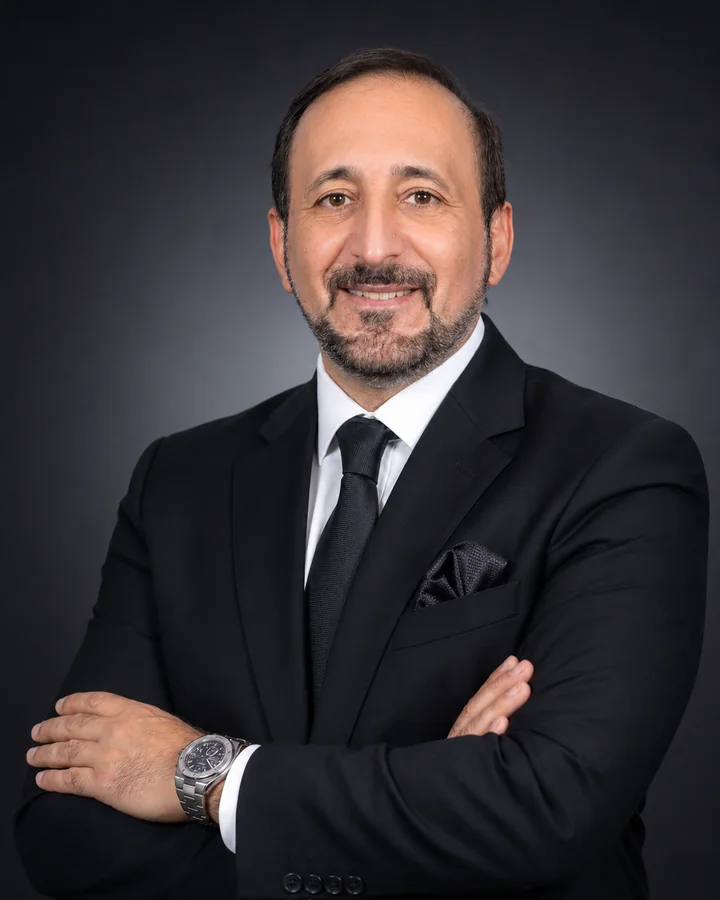
Academy Founder, Trainer & Course Author
Dr Nasser Al-Furaih
Dr Nasser Al-Furaih is a psychological consultant, professional trainer, author and CPQ curriculum developer, leading learning pathways that combine professional qualification, practical application and extensive coaching and training experience.
Contact the Trainerconsult@lifecoachqva.com
FAQ
Frequently Asked Questions
Clear answers about programme content, delivery, certification, assessment and enrolment.
What is Emotional Intelligence Coaching?
It is a professional training programme designed around the learning outcomes and practical scope described on this page. Admissions can confirm the current syllabus and intake details.
Who is this programme suitable for?
It is suitable for learners whose goals and prior experience match the programme level. The admissions team can review your background before enrolment.
How is the programme delivered?
The current delivery format is Online. Any live-session dates, venue details or platform requirements are shown on the page or confirmed by admissions.
Will I receive a certificate after completion?
A training certificate is issued only after completing the published learning, attendance and assessment requirements that apply to the active intake.
Does the programme include practical application?
The programme may include exercises, assignments, models, tests or practical activities according to its published curriculum and assessment plan.
Are there any entry requirements?
Entry requirements depend on the programme level and current intake. Admissions will confirm whether previous training or professional experience is required.
How can I receive the current fees and schedule?
Submit the interest form or contact admissions. The team will provide the current fee, payment options, intake date and available places.
What happens after I register my interest?
Admissions will review your request and contact you using your preferred method to discuss suitability, dates, requirements and the next enrolment step.
Ready to take the next professional step?
Register your interest and let admissions help you confirm whether this programme fits your goal, schedule and preferred learning format.
Emotional Intelligence Coaching